
The fight for attention in internet gaming is fierce. Developers typically use dazzling visuals or relentless advertising. However a new trend is emerging. Real lasting success isn’t born from a gimmick. It originates from a straightforward notion: put the player first. This is referred to as a “player-centric” approach. It entails clear rules, honest gameplay, and letting the community guide a game’s development, rather than going after short-term gains. The UK market, famous for its knowledgeable gamers and tight oversight, demonstrates this clearly. Take the Big Bass Crash release. Its rise isn’t a fluke. It’s a powerful lesson. When a game’s design reflects what players truly value, it creates a devoted community. This harmony is transforming what players want. It proves that in today’s online landscape, the best strategy is to make the player the priority.
Decoding the “Player First” Mindset in Gaming
“Player-Centric” is more than a tagline. It’s a plan that molds a game from the ground up. It touches how the title works, how the creators talk with users, and how it improves over time. The old model viewed customers as customers. The new paradigm treats them as partners. This relationship requires transparent systems, not gimmicks that prey on behavior. It needs transparent, upfront disclosures on any money wagered. And it means heeding when players give opinions. In places like the UK, with robust consumer laws, this philosophy works well with both the rules and the regional norms. For a product like Big Bass Crash, it’s about earning credibility through dependable structure. The thrill should stem from the title itself, not from obscured odds or a pressure to keep playing. The result is a more sustainable ecosystem that helps everyone.
The Strategic Simplicity That Empowers Players
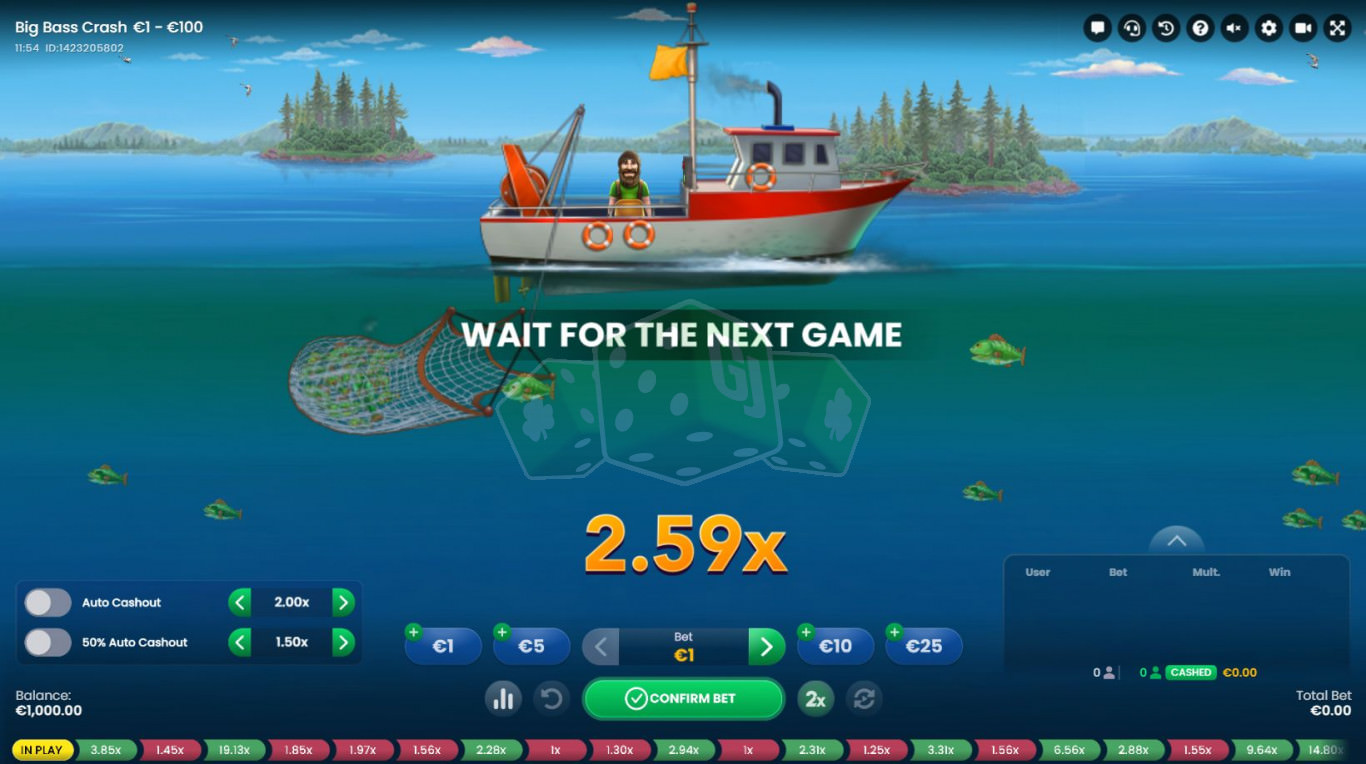
Big Bass Crash derives its appeal from a basic notion. This simplicity, strangely, creates serious engagement. Players don’t have to memorize complicated rules, symbol charts, or lengthy paytables. All boils down to a one, critical action: clicking the “Cash Out” control prior to the multiplier collapsing. This focused emphasis empowers the player. They alone are answerable for their choice, according to their own appetite for risk. It generates a real tension, a direct line between decision and outcome. This perception of influence is essential to the Player First concept. By paring down the session to just one clear, player-controlled gamble, the offering honors the player’s liberty and decision-making. A success comes across as a individual triumph. A loss seems like a known risk, not a bewildering error in the game.
Building a Community Focused on Common Instances
The experience of Big Bass Crash goes beyond a single player’s screen https://bigbasscrash.eu/. It creates a Player First world by generating shared moments, which are crucial for a game’s lifespan. The format is social by nature. Multiple players ride the same climbing multiplier curve, feeling the collective buzz as the numbers rise. This inherently sparks conversation. People share tactics and rejoice or sigh over a crash together. Online platforms and live streams amplify this effect, converting a solo game into a group spectacle. Developers and the sites offering the game often promote this. They spotlight major wins and provide space for players to interact. This community work alters the game. It ceases being just software and turns into a social spot. The value isn’t only in a potential payout, but in belonging to a group’s exciting moment.
Ethical Gaming Integration in Design
A genuine Player First philosophy must vigorously support ethical play. Here, the entire structure of Big Bass Crash includes integrated safeguards. The game is built on short, distinct rounds. This forms intuitive stopping points, unlike the unending, auto-play loops of some slot machines. Reliable UK platforms enhance this by including required tools like deposit limits, session timers, and easy links to support services such as GamStop and GamCare. The game’s clear design also helps with self-monitoring. Because the main action is a single, deliberate cash-out decision, users might remain more aware of their wagers compared to the rapid, automated play of alternative genres. This design illustrates that responsible play can be part of the game’s core, not just a footnote in the terms.
Detailed Review: Player First vs. Traditional Models
Pitting the Player First model versus older game designs demonstrates why it’s gaining traction. Many traditional games, especially in the online casino industry, use strategies intended to keep players fixated on the screen and spending incessantly, occasionally without their full consciousness.
- Complexity vs. Clarity: Classic slot machines might include complicated bonus games and dozens of paylines that are hard to understand. Big Bass Crash presents one clear mechanic.
- Authority: Games with auto-play and quick-spin options can make the player a passive spectator. Big Bass Crash demands a deliberate, conscious choice for every single round.
- Openness: Some games conceal their Return to Player (RTP) percentages or feature extreme volatility. The crash game model offers an immediately clear, though unpredictable, risk profile.
- Togetherness: Plenty of games are lonely endeavors. The crash format naturally builds a shared, live session.

The Way Big Bass Crash Represents Core Player-Centric Values
Big Bass Crash puts its player-first promises into reality through particular design choices. The main game system is a multiplier that ascends a curve until a random “crash” takes place. Visually, it’s uncomplicated. Players understand the risk and reward right away. There are no hidden mini-games or confusing bonus features to cloud the experience. This clarity is essential. The game also bypasses elaborate stories or complex leveling systems that might pressure players into longer playtimes. Every round is a fresh opportunity. The player chooses when to play and for how much time. A uncluttered, intuitive interface stays unobtrusive. The focus rests on that one strategic decision: when to cash early. This design values the player’s intelligence. It presents a tool for entertainment, not a maze built to capture and maintain attention.
Transparency and Impartiality as Essential Pillars
UK users, shaped by tough rules from the UK Gambling Commission, do not view transparency as a bonus. They see it as a entitlement. Big Bass Crash satisfies this requirement head-on. The unpredictability of each crash is checkable and protected. The game typically utilizes certified Random Number Generator (RNG) systems that undergo regular reviews. It does not assert to be a expertise game where it is not. Alternatively, it offers itself truthfully as a game of luck with one defined instance of tactics. This candor establishes a standing. Players can interact knowing the game’s integrity is a priority, which is a foundation of controlled play. The contrary approach—a sense that consequences are manipulated or ambiguous—shatters confidence rapidly. It’s a snare the title’s developers meticulously evade.
What makes the British market remains Especially Responsive
The UK’s internet casino market is among the most developed and strictly controlled anywhere. This has fostered a gambling audience that is both properly shielded and highly selective. Years of regulatory changes have taught players about their protections and what fair, ethical design looks like. They are quick to abandon games that feel manipulative or hide information. Big Bass Crash, with its transparent mechanics, concentration on controlled choices, and easy fit with player protection tools, slots right into this environment. It meets regulatory demands not as a administrative burden, but as a core design principle. Its growing popularity demonstrates a market voting with its feet. Players are choosing a product that aligns with their beliefs. They prefer direct, entertaining, and ethically crafted games over those that depend solely on flashy distractions or addictive cycles.
Gaming’s Future: An Enduring Transition Toward the Player
The warm reception for Big Bass Crash’s philosophy in markets like the UK suggests a greater, enduring transformation for the sector. As gamers get more savvy and governing bodies implement tighter controls, the commercial rationale for dubious or profit-driven design diminishes. The road ahead leads to games crafted for sustainable engagement, where reliability and entertainment are the main tools for keeping players. We are likely to see more development in transparent mechanics, better social and community functions, and even smoother inclusion of safe gaming features within the game experience. Games that embrace the Player First blueprint, prioritizing long-term community over short-term gain, are set to define this next era. They reveal a core principle. The optimal way to develop a winning game is to sincerely honor the intellect, liberty, and interests of the user holding the device.