
If you’re a United Kingdom player curious about Super Stake Roulette at https://superstakeroulette.com/, this technical review examines how the game works, its mechanics, fairness, and what to expect when you spin. The focus here is practical: gameplay systems, volatility, user experience, and whether the product meets regulatory and player expectations in the UK market.
Overview: What Is Super Stake Roulette?
Core Mechanics
- Wheel type: European roulette (single zero) by default.
- Bet types: Straight, split, street, corner, line, columns, dozens, and even-money bets.
- Super Stake: An optional premium bet placed in addition to normal wagers. When active, certain outcomes trigger a payout multiplier or bonus round.
- RTP: Base game RTP aligns with standard European roulette (around 97.3% for base bets); Super Stake RTP depends on the multiplier structure and lowers overall expected return when purchased repeatedly.
Gameplay Flow and Interface
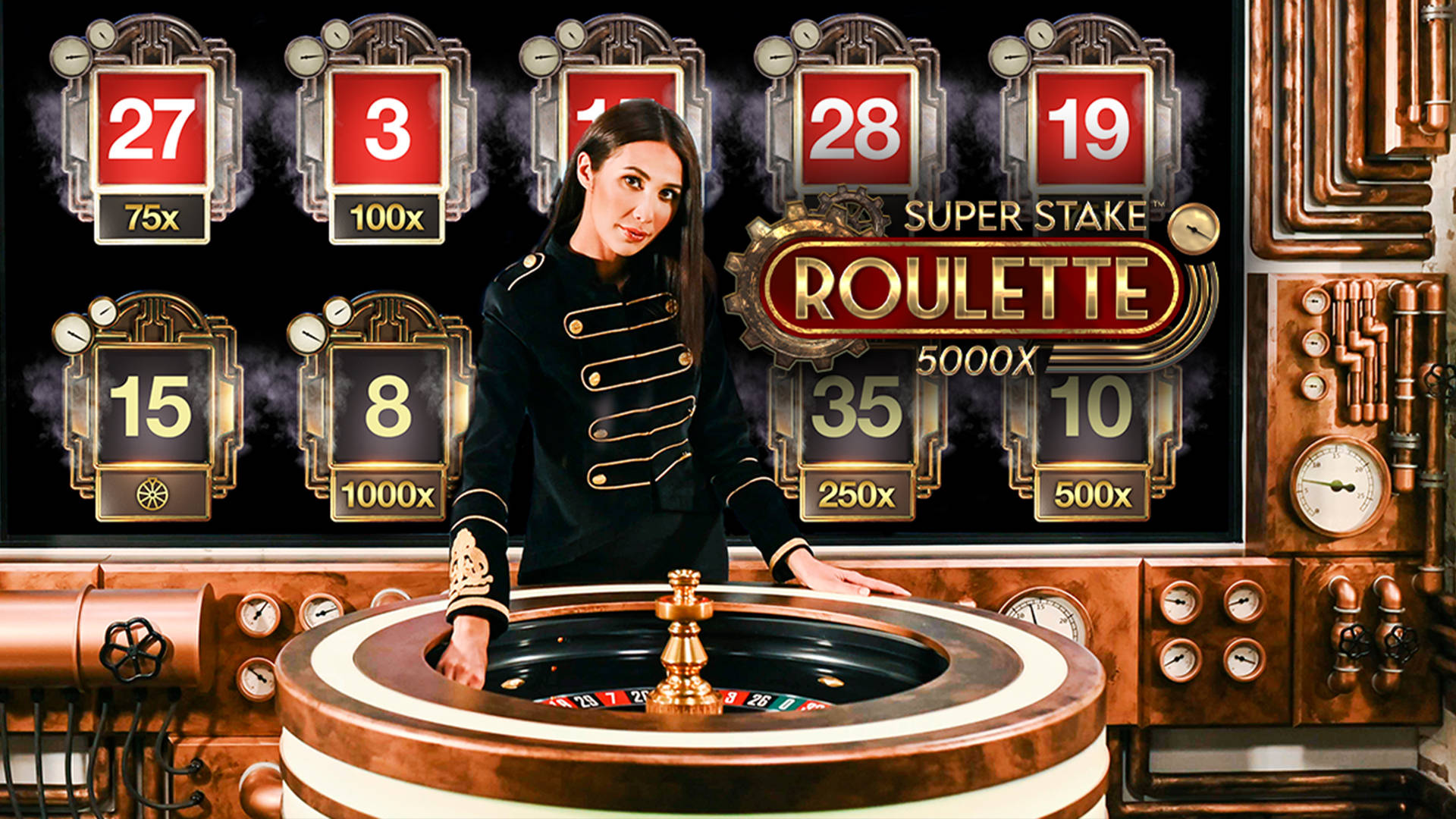
The interface emphasizes clarity: a central animated wheel, a clear graphical betting table, and a quick-action panel for preset bets and stake adjustments. For UK users, latency and localisation are crucial, the site loads quickly across modern browsers and adapts stake denominations to GBP where account currency is set accordingly.
Bet Placement and Super Stake Toggle
Players place standard roulette bets then toggle a Super Stake checkbox or button. The UI shows how much the Super Stake costs and the expected enhanced payout multiples for eligible outcomes. The game displays a real-time breakdown of potential returns when Super Stake is active, which helps players make informed wagering decisions.
Random Number Generation and Fairness
Technical fairness in roulette is all about RNG integrity; For UK players, regulated platforms typically publish auditing or certification from third-party testing houses (e.g., eCOGRA, GLI). Super Stake Roulette utilises a certified RNG module for spin outcomes, combined with server-side logic for Super Stake multipliers. Important points:
- Certified RNG: The spin outcomes correspond to an audited PRNG implementing uniform distribution across wheel pockets.
- Server-side multiplier: Super Stake outcomes are resolved by server logic that references the same audit trail as the base spins to avoid manipulation.
- Audit reports: Operators often display version stamps and certification seals — UK players should verify the casino’s licensing and audit documentation.
Volatility and Bankroll Strategy
Super Stake Roulette increases volatility. Standard roulette already offers moderate-to-high variance depending on bet choice; adding a Super Stake multiplies upside and downside in the short term. Bankroll approach for UK players:
- Flat-bet strategy: Use consistent base bets and avoid Super Stake when testing a table.
- Unit sizing: Limit Super Stake purchases to a small percentage of your session bankroll (e.g., 1–2%).
- Loss limits: Set loss and time limits before activating Super Stake features to avoid accelerated depletion.
Performance and Mobile Experience
- Fast load times on broadband and 4G; progressive fallback for low-bandwidth conditions.
- Touch-friendly controls, large chips, and swipe gestures for bet sizes on mobile.
- Session persistence: automatic reconnection if the browser momentarily loses connectivity.
Regulatory Considerations for UK Players
UK players must ensure the casino operator holds a UKGC (UK Gambling Commission) licence or is compliant with recognized jurisdictional standards. Compliance items include:
- Age verification and identity checks.
- Clear RTP and game rules disclosure.
- Responsible gambling tools: deposit limits, time limits, self-exclusion options.
Data Protection and Security
From a technical standpoint, HTTPS/TLS is mandatory; the platform uses encryption for account data and financial traffic. Two-factor authentication (2FA) is recommended for account security. For UK users, GDPR-compliant data handling is expected.
Monetisation and House Edge
The house edge in European roulette is roughly 2.7% on base bets. Super Stake introduces an added cost: the premium paid to enable multipliers. This premium increases the effective house edge from the player’s perspective when used frequently. A technical breakdown:
- Base bet expected value is consistent with European roulette math.
- When Super Stake is purchased, the expected value equals base EV minus the average cost of the premium adjusted by the frequency and size of multiplier hits.
- Short-term wins may appear larger, but long-term EV reduces proportionally to the cost-to-payout ratio of Super Stake.
Player Experience: Pros and Cons
From a technical and UX view, the product appeals to players seeking bigger thrills at the cost of higher volatility.
Advantages
- Clear, responsive UI and good mobile support.
- Extra excitement via Super Stake multipliers and occasional bonus animations.
- Fast spin resolution and transparent payout breakdown when Super Stake is active.
Disadvantages
- Increased long-term cost due to the premium Super Stake purchase.
- Potential confusion for new players about how the multiplier affects RTP.
- Requires careful bankroll management to avoid rapid losses.
Questions and Answers
Frequently Asked Questions
- Is Super Stake Roulette fair? — Yes, if the operator is licensed and the RNG is audited. The base roulette mechanics follow standard probabilities; the Super Stake layer must be disclosed transparently.
- How much does the Super Stake cost?, It varies by operator; usually a percentage of your base bet or a fixed additional amount displayed before enabling the feature.
- Can UK players use this game? — Yes, provided the hosting casino accepts UK customers and complies with UK regulations.
How-to Questions
- How do I test Super Stake without losing money? — Use demo mode (if available) to practice. Many platforms offer a free play version where the Super Stake is simulated.
- How do I minimise risk? — Limit Super Stake usage, set session caps, and prefer lower-volatility bets (even money) when experimenting with Super Stake.
Technical Deep Dive: RNG and Multiplier Logic
The RNG generates an integer corresponding to wheel pockets (0–36). The multiplier logic performs an independent check when Super Stake is active:
- Step 1: RNG generates spin pocket (uniform distribution across pockets).
- Step 2: Server evaluates bet wins and base payout using standard payout table.
- Step 3: If Super Stake is active, server triggers multiplier subroutine: random draw(s) determine multiplier hits consistent with advertised probability distribution.
- Step 4: Final payout equals base payout plus multiplier product where applicable. All events are logged for auditing.
Audit Trail and Verifiability
Good implementations keep cryptographic logs and non-repudiation receipts for spins. UK players should prefer casinos that publish audit attestations and provide accessible support for payout disputes.
Practical Tips for UK Players
- Verify UKGC licensing and publicly available audit reports before depositing.
- Start in demo mode to understand Super Stake dynamics.
- Treat Super Stake as a small, optional entertainment spend, not a path to long-term profit.
- Use responsible gambling tools provided by the operator and the UK Gambling Commission.
Comments on the Topic of Games
Is game safe?
Safety depends on operator practices: licensed UK operators using audited RNG, secure TLS, and clear terms present minimal technical risk. The game mechanic itself is safe in the sense of software integrity; financial risk to the player comes from expected value and volatility.
Advantages (short)
- Extra thrill via multipliers.
- Good mobile and desktop UX.
- Quick spin resolution and clear payout info;